

_thumbnail.jpg)
_thumbnail.jpg)



Abstract
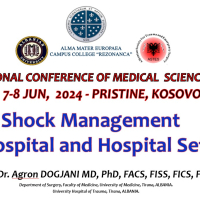
Introduction: Shock is a life-threatening condition characterized by inadequate tissue perfusion and oxygen delivery, often resulting from circulatory dysfunction. Prompt and effective management of shock is crucial for preventing organ failure and improving patient outcomes.
This abstract provides an overview of shock management strategies in both prehospital and hospital settings. Shock presents a significant challenge in emergency medicine due to its diverse etiologies and potential for rapid deterioration. Early recognition and intervention are essential to stabilize patients and prevent progression to irreversible shock states.
Prehospital Management: In the prehospital setting, rapid assessment and initiation of appropriate interventions are crucial. Paramedics and emergency medical technicians prioritize airway management, fluid resuscitation, and early vasopressor use to restore tissue perfusion before hospital arrival.
Hospital Management: Upon arrival at the hospital, shock management continues with a multidisciplinary approach involving emergency physicians, intensivists, and surgeons. Initial stabilization includes airway management, intravenous fluid resuscitation guided by hemodynamic monitoring, and targeted interventions based on the suspected type of shock (e.g., septic, hypovolemic, cardiogenic). Advanced Interventions: In cases of refractory shock, advanced interventions such as vasopressor support, inotropic agents, mechanical ventilation, and extracorporeal therapies may be necessary to optimize hemodynamic stability and tissue oxygenation.
Monitoring and Outcomes: Continuous monitoring of vital signs, laboratory parameters, and tissue perfusion markers guides ongoing management and treatment. The ultimate goal of shock management is to restore adequate tissue perfusion, prevent end-organ damage, and improve patient survival rates.
Conclusion: Effective shock management requires a systematic approach that integrates prehospital and hospital care protocols. Early recognition, rapid intervention, and targeted therapies tailored to the underlying cause of shock are crucial for optimizing patient outcomes.
Keywords: Shock Management, Prehospital Settings, Hospital Settings